The mochi with nine different tastes and the tasting beer set was a perfect match. My wife ordered the sabu sabu with local beef. I even ordered an extra sabu sabu set without meat. The nine dishes mochi set has one dish that’s not vegetarian, and the soup that included in the meal has chicken. The staff were so helpful let me know that it has chicken and removed from the soup for us. We made reservation months ago so no wait in line.
Overview
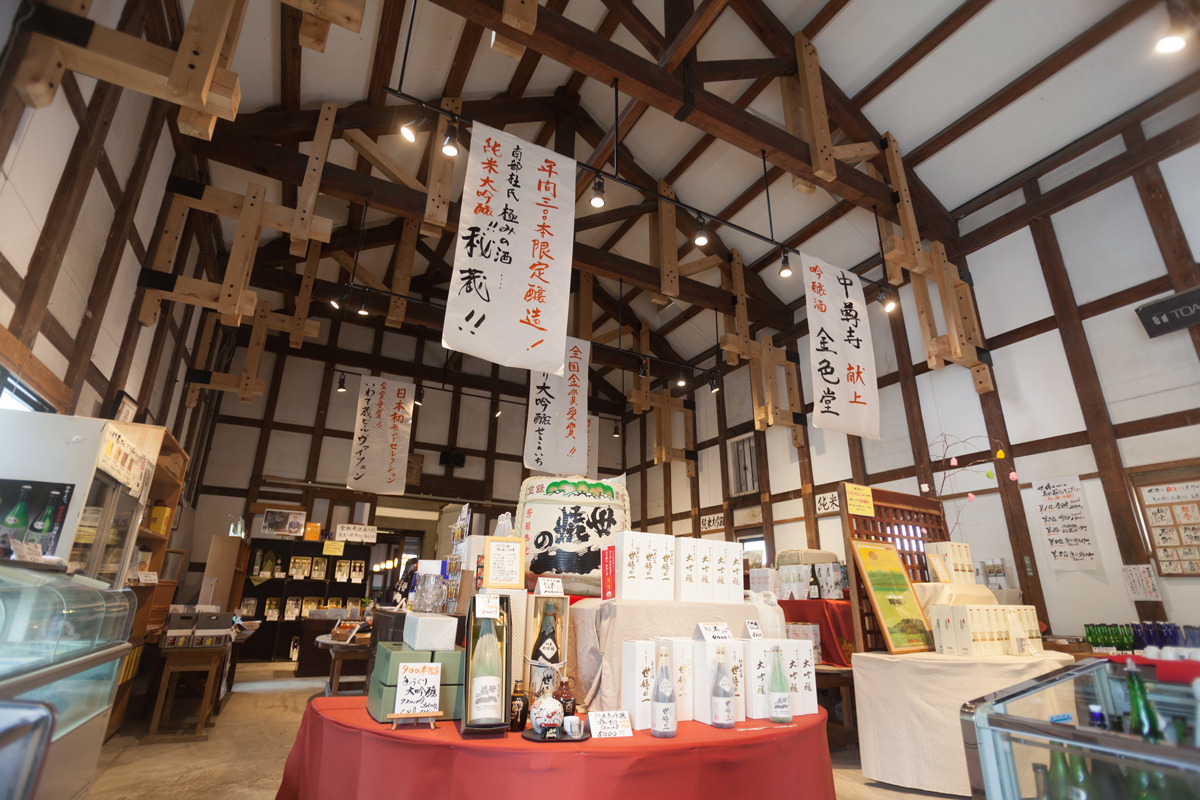
Walking into Sekino-Ichi Sake Brewery & Kuramoto Restaurant feels less like visiting a restaurant and more like stepping into a living craft workshop where food and sake have grown up together. The building itself carries history, and the moment you smell steamed rice and grilled dishes drifting from the kitchen, it’s clear this place is serious about tradition without being stiff about it.
I visited on a quiet weekday afternoon, guided by a local friend who grew up in Ichinoseki. He explained how Sekino-Ichi has been brewing sake here since the Meiji era, using Iwate-grown rice and water drawn from nearby mountain sources. You can actually see parts of the brewing operation on-site, which makes the dining experience feel grounded and transparent rather than performative. The staff were happy to walk me through the process, from rice polishing to fermentation, breaking down what could be a complex topic into something refreshingly easy to understand.
The menu leans heavily into regional Japanese cuisine, and that’s where the restaurant really shines. Dishes are designed to pair with their house-brewed sake, not compete with it. I ordered grilled Iwate pork, local river fish, and a seasonal vegetable plate that highlighted how simple ingredients can carry deep flavor when handled properly. Each item arrived thoughtfully plated but not overdone, reinforcing the idea that this is a place where substance matters more than flash.
One standout moment was the sake tasting flight. The server explained the difference between junmai and ginjo styles using real-world comparisons instead of technical jargon. According to data from the Japan Sake Brewers Association, aroma, acidity, and rice polishing ratios significantly influence how sake pairs with food, and that theory plays out clearly here. A crisp, dry sake cut through the richness of grilled meat, while a softer, slightly sweet pour complemented lighter dishes. The experience confirmed what many professional sommeliers emphasize: context matters as much as quality.
What also impressed me was how consistent customer reviews tend to be. Travelers and locals alike mention the same things-friendly service, thoughtful pairings, and a relaxed atmosphere that invites you to stay longer than planned. That consistency is often cited by hospitality researchers as a marker of operational maturity, and it shows in how smoothly everything runs, even during busy hours.
The location at 5-42 Tamuracho, Ichinoseki, Iwate 021-0885, Japan is easy to reach from the station, which makes it a popular stop for visitors exploring the region. Despite that, it never feels like a tourist trap. Instead, it maintains the feeling of a neighborhood spot where regulars are just as welcome as first-timers. One local at the counter told me he comes weekly because the menu changes with the seasons, keeping things fresh without losing its identity.
Of course, no place is perfect. If you’re expecting a massive menu or international flavors, this might feel limited. The focus is intentionally narrow, centered on sake culture and regional cooking. That said, the limitation is also the strength. By doing fewer things exceptionally well, the restaurant builds trust with its guests.
Throughout the visit, I kept thinking about the phrase crafted, not rushed, which perfectly sums up both the brewing philosophy and the dining experience. Another expression that fits is local flavor with global standards, something food critics often use when describing establishments that respect tradition while meeting modern expectations.
By the time I finished my meal, it was clear why this place holds such a strong reputation. It isn’t just about eating or drinking; it’s about understanding how the two support each other. From the brewing floor to the dining table, everything feels intentional, honest, and rooted in real expertise.
Good to know
Service options
✓ Outdoor seating ✓ Kerbside pickup ✓ Takeaway ✓ Dine-in ✓ DeliveryHighlights
✓ Great beer selectionPopular for
✓ Lunch ✓ DinnerAccessibility
✓ Wheelchair-accessible car park ✓ Wheelchair-accessible entrance ✓ Wheelchair-accessible seating ✓ Wheelchair-accessible toiletOfferings
✓ Alcohol ✓ Beer ✓ Coffee ✓ Private dining room ✓ Spirits ✓ Vegan optionsDining options
✓ Brunch ✓ Lunch ✓ Dinner ✓ Dessert ✓ Seating ✓ Table serviceAmenities
✓ Gender-neutral toilets ✓ Smoke-free place ✓ Toilet ✓ Wi-Fi ✓ Wi-FiAtmosphere
✓ Cosy ✓ QuietCrowd
✓ Groups ✓ LGBTQ+ friendly ✓ TouristsPlanning
✓ Accepts reservationsPayments
✓ Credit cards ✓ Debit cards ✓ NFC mobile payments ✓ Transit IC cards ✓ Credit cardsParking
✓ Free parking lot ✓ ParkingPets
✓ Dogs allowed outsidePhotos
1 / 4
Location
Reviews
- No ratings yet 496 reviews
Very friendly staff. We had the hot pot set. They guided us well and explained as good as possible how to eat. The broth was well balanced. You get to tear off small dough chunks and cook it like small noodles. We also ordered the set of mochis with difference flavors which were not all to our liking. The mochi itself was very pillowy. Thank you.
Great craft beers Decent assorted mochi Okay prices... Recommend trying the beer sampler, as each style/type of beer is quite different. Lots of salty, sweet, and umami types of mochi to enjoy here as well.
The local food at the restaurant was so gewd, and the beer flight was amazing as well. The architecture of the goods building was resuited with more beams for support, since it toppled over during the 2011 earthquake. I really want to come back for more beer, and to check out that dark and mysterious cafe. 5 stars for sweet staff members, food, and beer.
Nostalgic restaurant with rice cake and hot pod. Design of building is beautiful. still same condition and used for restaurant. Souvenir shop is next to restaurant.
Free guided brewery tour, non-alcoholic beer tastes good.
This is an old nihonshu brewery with a number of interesting old buildings, a museum, a gift shop with limited tasting, a cafe, a beer brewery, and a restaurant specializing in local delicacies. The nihonshu and beer are great -- especially the light and refreshing ale flavored with the peppery sansho herb. The food is great -- I got mulberry leaf udon, mixed mochi dishes, and tempura for a reasonable 1600 yen. Just the museum was not so interesting for 300 yen and I wish there had been more information about things to do there, tastings, and the food -- and I can speak and read Japanese. There are other interesting things nearby, though, including an old samurai home next to a quaint 19th century church.
Was there some time ago. Hope they bring back the night tour soon